Barbagia in one day: what to see
Barbagia is one of the most distinctive regions of inland Sardinia: mountain villages, forests, plateaus, long-standing traditions and a culture that has retained a character of its own, distinct from the island’s coastal areas. Including a day in Barbagia during a seaside stay offers a different perspective on Sardinia, shaped by contrasting landscapes, history and atmosphere.
Strictly speaking, it would be more accurate to refer to the Barbagias, in the plural: the Barbagia of Nuoro, Ollolai, Belvì, Bitti, Seulo and Mandrolisai. Closely connected territories, each with its own historical and cultural identity. In this guide, we will focus on the Barbagia of Nuoro, reachable from Porto Taverna in just over an hour and among the most representative areas of Sardinia’s inland landscape.
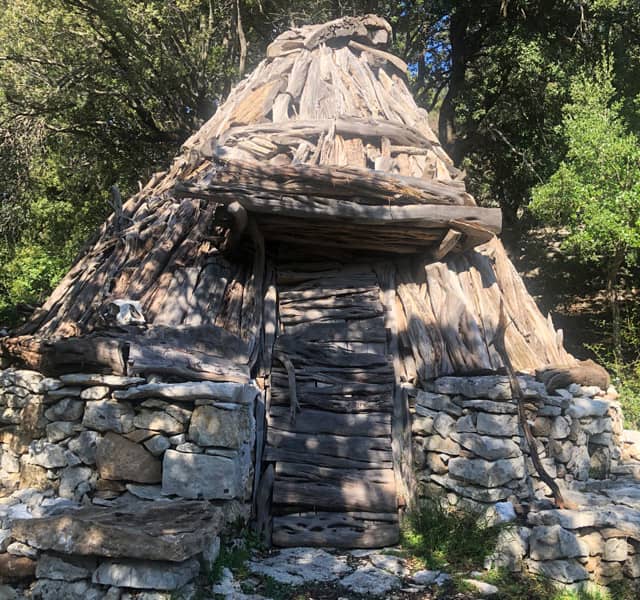
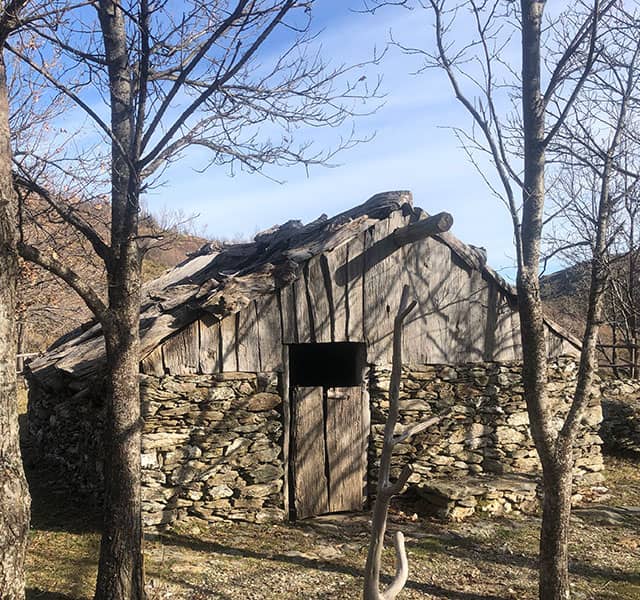
Three day trips from Porto Taverna
| If you are looking for… | Suggested itinerary |
|---|---|
| Culture and traditions | Nuoro + Mamoiada |
| Villages and landscapes | Orgosolo + Oliena + Su Gologone |
| Nature and archaeology | Dorgali + Lanaitto |
Nuoro and Mamoiada
If there is one itinerary that captures some of the deeper nuances of inland Sardinia in the course of a single day, it is the route linking Nuoro and Mamoiada. On one side stands Nuoro, known in the early twentieth century as the “Sardinian Athens” for the intellectual vitality it produced, linked to figures such as Grazia Deledda, Sebastiano Satta and Antonio Ballero; on the other, a village that still preserves ancient symbols, rituals and a strong sense of community identity.
Why choose this itinerary
The transition between these two stops is not merely geographical: within a short distance, the landscape shifts between the artistic and literary heritage of inland Sardinia and the popular traditions that continue to shape everyday life in the region. An itinerary particularly suited to travellers interested in both the cultural and ritual dimensions of Barbagia.
Who this itinerary is best suited for
- First-time visitors to Barbagia
- Travellers interested in culture
- Those looking for a relaxed day trip
Driving times from Porto Taverna
- Porto Taverna → Nuoro: approximately 1 hr 10 min
- Nuoro → Mamoiada: approximately 18 min
Total driving time
Approximately 2 hr 50 min
First stop: Nuoro
Among the museums worth visiting:
- Museo del Costume (ISRE), one of Sardinia’s most interesting ethnographic museums, offering insight into traditional clothing, work, rituals and local identity.
- MAN – Museo d’Arte della Provincia di Nuoro, ideal for visitors interested in modern and contemporary art.
- The birthplace of Grazia Deledda, Nobel Prize-winning author and one of the central figures of Sardinian cultural history.
Beyond its museums, Nuoro is well worth exploring on foot, from Piazza Sebastiano Satta and Corso Garibaldi to the historic districts of Seuna and Santu Pedru, ending at the Cathedral of Santa Maria della Neve.
Second stop: Mamoiada
Mamoiada preserves one of Sardinia’s most striking ritual traditions: that of the Mamuthones and Issohadores, ancient masked figures that continue to define the village far beyond the island itself. To better understand their origins, symbolism and connections with other folk traditions across Europe and the Mediterranean, the Museo delle Maschere Mediterranee is particularly worth visiting.
The village is also considered one of the wine capitals of inland Sardinia, renowned for its high-altitude Cannonau wines. Its vineyards include ancient bush-trained vines that produce exceptionally low yields and highly distinctive wines, recognised internationally for their quality.
Orgosolo and Oliena with Su Gologone
If you are looking for a day trip that combines artistic expression, local identity and some of the most striking natural scenery in inland Sardinia, the itinerary linking Orgosolo, Oliena and Su Gologone is among the most rewarding. On one side is Orgosolo, known for its murals and strong civic identity; on the other, Oliena, a village at the foot of Monte Corrasi with deep-rooted agricultural and craft traditions. Completing the route are the springs of Su Gologone, among the most distinctive natural sites in inland Sardinia.
Why choose this itinerary
Within just a few kilometres, the landscape shifts from a village that turned its walls into a form of collective storytelling to an area shaped by limestone mountains, karst springs and historic villages. An itinerary particularly suited to travellers looking to combine cultural heritage with nature in a visually varied day trip.
Who this itinerary is best suited for
- Travellers interested in photography, landscapes and local identity
- Those comfortable with a moderately paced day trip
Driving times from Porto Taverna
- Porto Taverna → Orgosolo: approximately 1 hr 30 min
- Orgosolo → Oliena: approximately 20 min
- Oliena → Su Gologone: approximately 15 min
Total driving time
Approximately 3 hr 15 min
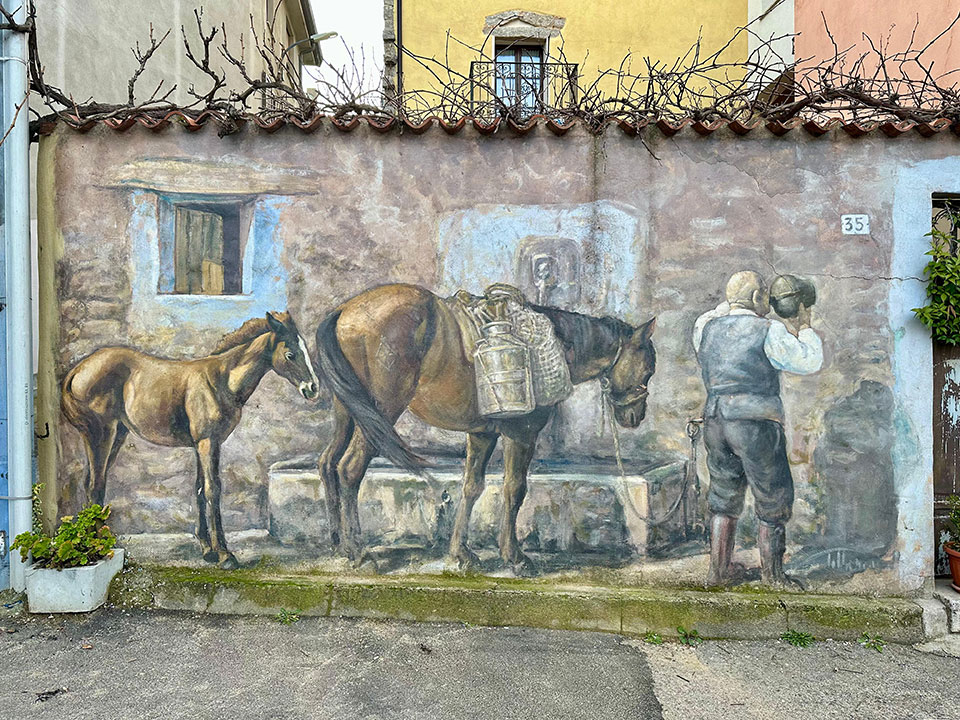
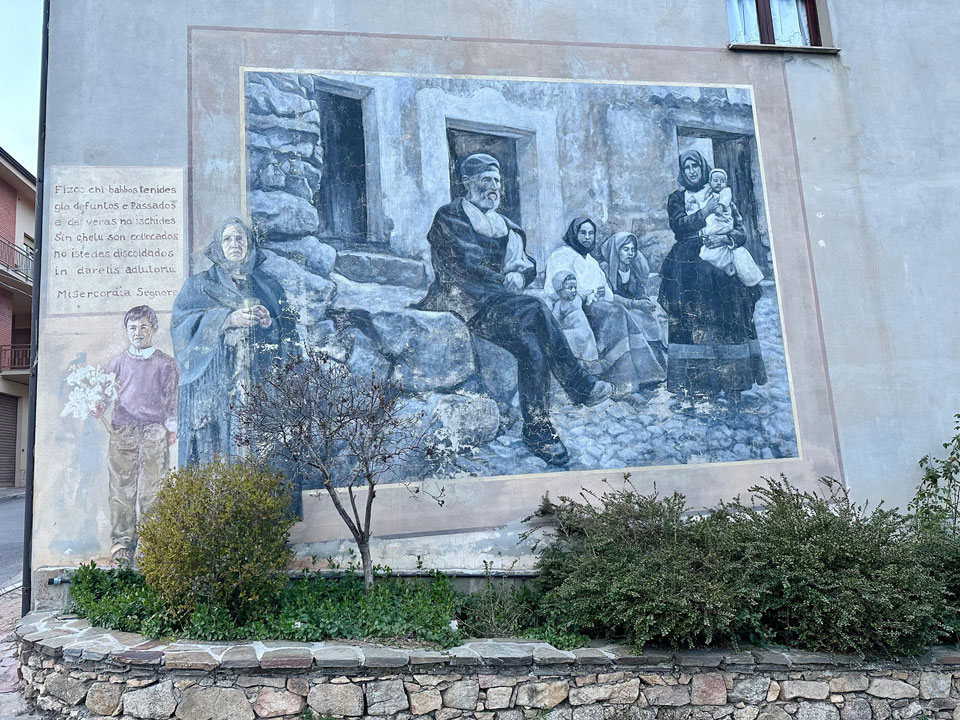
First stop: Orgosolo
Walking through the village streets feels like visiting an open-air museum, where murals stand alongside stone houses and narrow lanes in a setting still deeply connected to the Sardinian language and the pastoral culture of the region.
Second stop: Oliena
Set at the foot of Monte Corrasi, Oliena reveals a different character from Orgosolo: more compact, orderly and deeply connected to the landscape of the Supramonte. Its historic centre preserves traditional stone houses, inner courtyards and narrow streets that reflect a long-standing relationship between the village, the surrounding countryside and the mountains. Oliena is also known for its local craftsmanship, traditional bread-making and, above all, for Nepente di Oliena, a historic Cannonau wine particularly appreciated by Gabriele D’Annunzio.
Third stop: Su Gologone
Just a few minutes from Oliena lies Su Gologone, Sardinia’s best-known karst spring and a natural monument of remarkable scenic value. Clear waters emerge at the foot of the Supramonte in a shaded and cool setting, particularly pleasant during the hottest months of the year.
Dorgali, Ispinigoli and Valle di Lanaitto
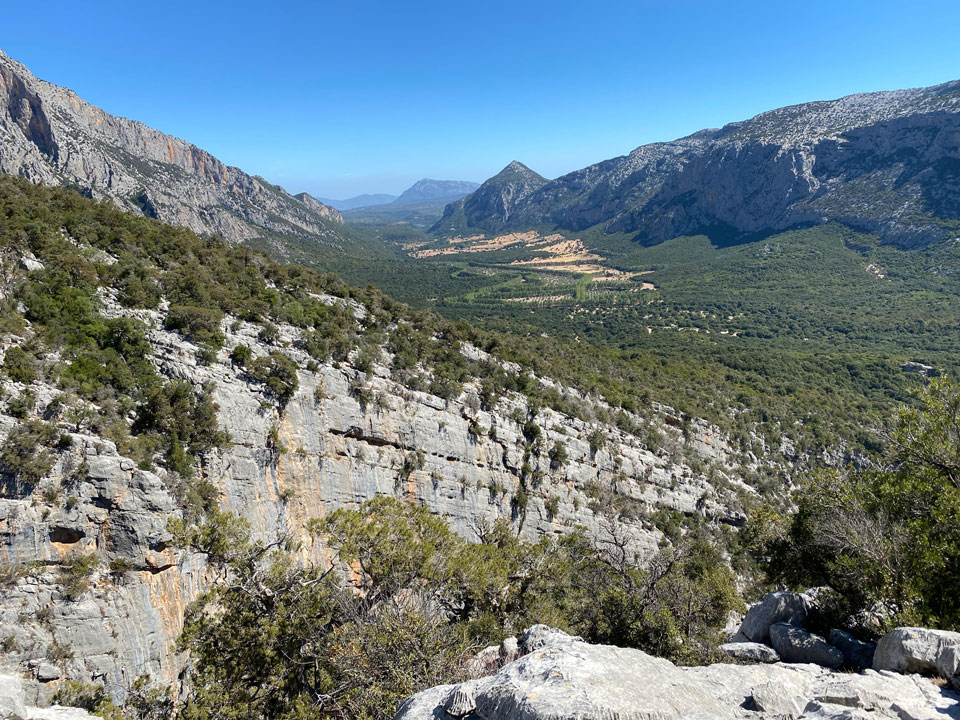
If you are looking for a day trip combining limestone landscapes, ancient sites and one of Sardinia’s best-known craft towns, the itinerary linking Dorgali, Ispinigoli and the Lanaitto Valley offers a different perspective on the Barbagia of Nuoro. In this part of the inland region, the eastern Supramonte reveals itself through caves, karst valleys and important traces of the Nuragic civilisation.
Why choose this itinerary
Across just a few stops, this itinerary brings together three different dimensions of the region: the craftsmanship of Dorgali, the geological character of Ispinigoli and the archaeological and natural heritage of Lanaitto. A less conventional route, ideal for travellers wishing to combine historic villages with a closer connection to nature and some of the island’s oldest traces of human history.
Who this itinerary is best suited for
- Curious travellers comfortable with a more active pace
- Travellers interested in archaeology
- Families with older children
Driving times from Porto Taverna
- Porto Taverna → Dorgali: approximately 1 hr 15 min
- Dorgali → Ispinigoli: approximately 15 min
- Ispinigoli → Lanaitto Valley: approximately 40 min
Total driving time
Approximately 3 hr 40 min
First stop: Dorgali
Dorgali is one of the most vibrant towns in the Nuoro area, historically associated with craftsmanship and the working of materials such as leather, iron, ceramics and filigree. The town retains a strong identity and represents an interesting meeting point between inland traditions and the influence of Sardinia’s eastern coast. A walk through the centre offers a good sense of its character before continuing towards the Supramonte.
Second stop: Ispinigoli
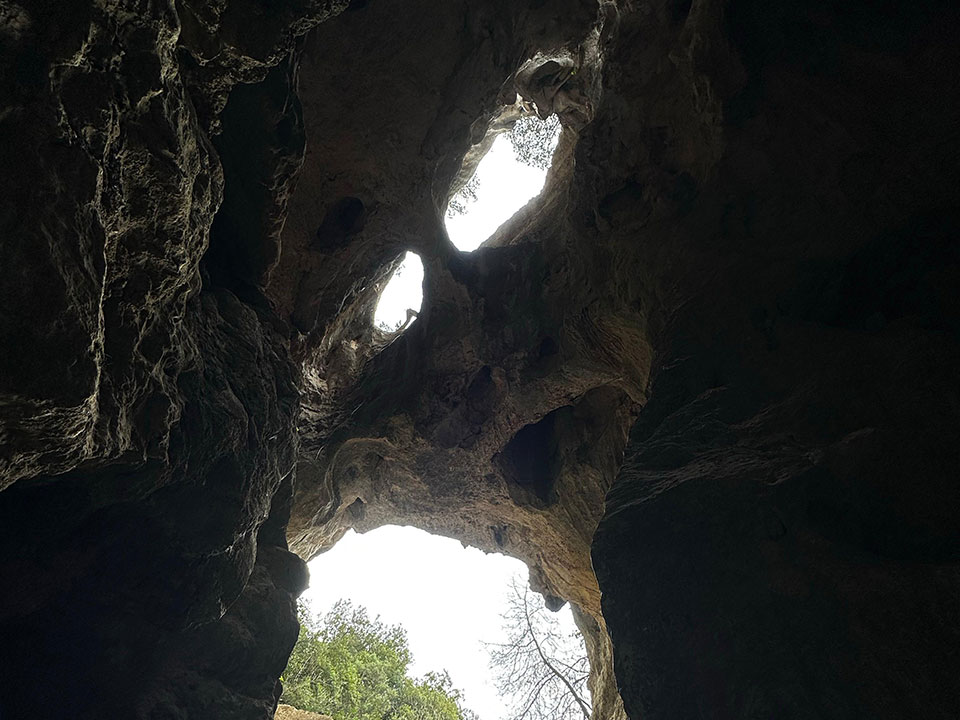
Just a few minutes from the town lies the Grotta di Ispinigoli, renowned for its impressive limestone column rising around 38 metres high, among the most spectacular in Europe. The site offers insight into the geological character of the region, shaped by underground chambers, water-carved rock formations and striking subterranean landscapes.
Third stop: Valle di Lanaitto
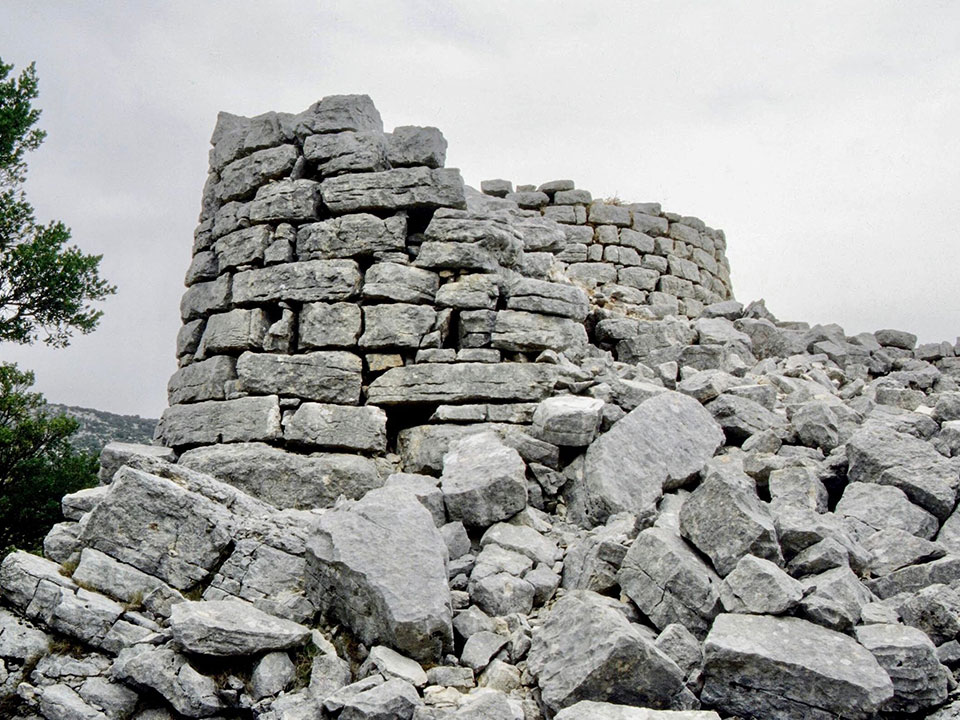
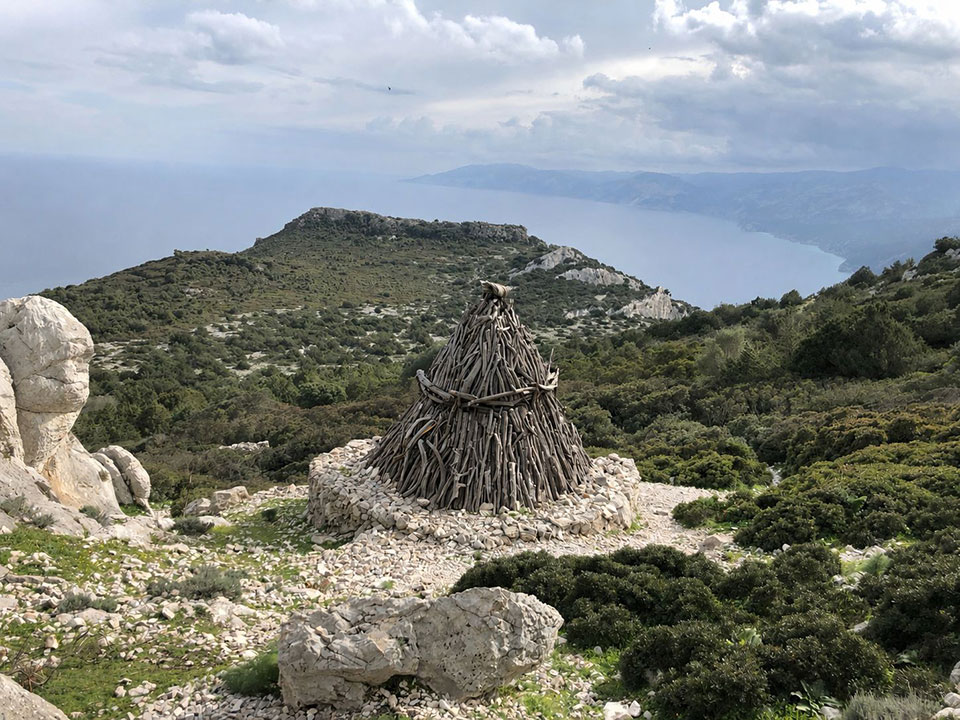
The Lanaitto Valley is one of the most fascinating gateways into the Supramonte. Here the landscape opens onto rocky cliffs, woodland and karst areas, home to sites of exceptional interest such as Sa Sedda ’e Sos Carros, an important Nuragic settlement associated with ancient water rituals.
The same area is also home to Grotta Corbeddu, known for archaeological discoveries that contributed significantly to the understanding of Sardinian prehistory, and Sa Oche ’e Su Bentu, one of the island’s most important karst systems, with springs, natural tunnels and underground environments.
Travellers with an extra day may wish to dedicate it to the trek to the Nuragic village of Tiscali or to excursions in the Gorropu Canyon, two of the Supramonte’s most significant experiences, though less suited to being included within the same itinerary.
Porto Taverna is an ideal base for combining the coast and inland Sardinia within the same stay. Our boutique hotel, with just 11 junior suites is strategically located for exploring some of the most interesting areas of north-eastern Sardinia, from the beaches of the Tavolara Marine Protected Area to the cultural and natural landscapes of the inland region.